

Emergency Preparedness Guide for Apartment Living
Table of Contents
- Why Emergency Preparedness Matters for Apartment Dwellers
- Building Apartment Emergency Kit Essentials
- Creating Printable Emergency Checklists for Home
- Developing a High-Rise Building Evacuation Plan
- Establishing Family Communication Plans
- Protecting Important Documents and Insurance
- Preparing for Power Outages and Fire Safety
- Building Community and Neighbor Networks
- Frequently Asked Questions
Last Updated: October 2, 2026
Why Emergency Preparedness Matters for Apartment Dwellers
Apartment dwellers face unique challenges that demand MORE planning, not less. You can't stockpile supplies in a basement you don't have, install backup power on someone else's roof, or evacuate horizontally when your building goes vertical.
The reality is this: when a crisis hits, whether it's a power outage, fire, severe weather, or a shelter-in-place scenario, apartment residents often have fewer options and less time to prepare. That's exactly why an emergency preparedness guide for apartment living isn't optional. It's the difference between feeling helpless and feeling ready.
Emergency planning for apartments requires a different approach, the strategies that work for houses don't translate directly, but apartment-specific ones work consistently.
Building Apartment Emergency Kit Essentials
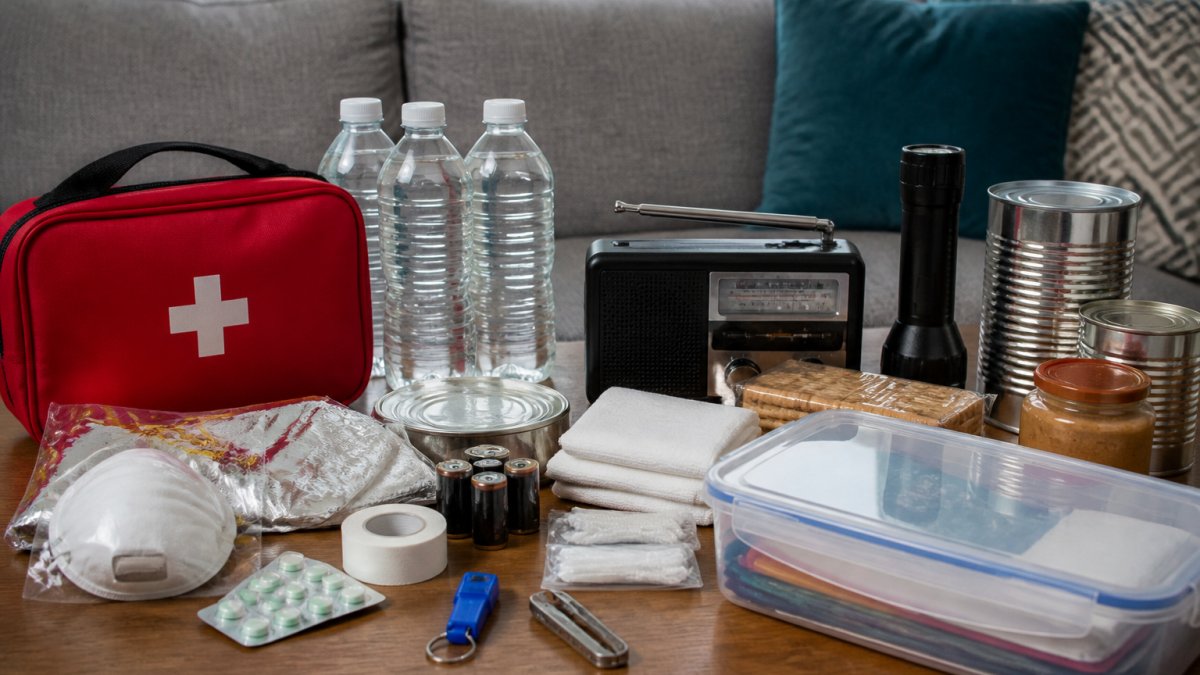
An emergency kit for an apartment needs to be compact, portable, and practical, supplies that fit in a closet or under a bed and address the emergencies you're likely to face.
Core Supplies Every Apartment Needs
Organize your kit by category: water, food, first aid, light, communication, and documents. For apartments, prioritize items that serve multiple purposes.
Pet-Specific Evacuation Supplies
If you have pets, your emergency preparedness guide for apartment living needs a pet-specific section since many shelters prohibit them.
Accessibility and Mobility Considerations
Emergency preparedness for apartments with mobility challenges or disabilities requires specific planning. Standard emergency advice often overlooks this entirely.
Creating Printable Emergency Checklists for Home
Checklists turn abstract planning into concrete actions when stress is high and thinking clearly is hard.
Pre-Emergency Checklist
Before anything happens, complete these steps:
-
Know your building's emergency protocols and identify two evacuation routes.
-
Locate your building's emergency supplies and equipment.
-
Establish a family communication plan with an out-of-state contact.
-
Create a household inventory with photos for insurance purposes.
-
Test your emergency kit and register with building management for alerts.
During-Emergency Response Checklist
When an emergency occurs:
-
Assess the threat and follow your building's emergency protocols.
-
Evacuate via stairs or shelter in place in an interior room away from windows.

Book: Survival Guide & Workbook: In Case of Emergency - Shelter-In-Place -
Activate your communication plan and stay informed via battery-powered radio.
-
Document damage with photos for insurance once safe.
Book: Survival Guide & Workbook: In Case of Emergency - Shelter-In-Place →
Developing a High-Rise Building Evacuation Plan
High-rise apartments create specific evacuation challenges. Stairs are the only reliable exit in most buildings, and descending 20+ flights is physically demanding.
Understanding Vertical Evacuation Logistics
High-rise evacuation involves descending narrow stairwells with many others, often in darkness or smoke. Smoke is the primary hazard, stay low and crawl if necessary. Never use elevators during fires. Know if your building has refuge areas on designated floors.
Shelter-in-Place Strategies for Apartments
Sometimes evacuation isn't the safest option. A hazardous material spill outside, an active threat in the building, or severe weather might make sheltering in place the right call.
Establishing Family Communication Plans
When phone lines are jammed or networks are down, how will your family regroup?
Protecting Important Documents and Insurance
Keep your renter's insurance policy in your emergency kit and know your coverage limits, deductible, and exclusions. Your lease agreement matters too, you may need to prove you're an authorized resident during an extended evacuation.
Important documents include:
- Insurance policies (renter's, health, auto)
- Lease agreement
- ID and passport
- Bank account information
- Medical records
- Medication list
- Proof of residency
Preparing for Power Outages and Fire Safety
Power outages and fires are the most common apartment emergencies. Preparing for both is essential.
Power Outage Readiness
A power outage can last hours or days. Your apartment will lose heating, cooling, water pressure (if you're above ground level), and refrigeration.
Fire Safety and Smoke Detectors
Smoke detectors are your first warning of a fire. Test yours monthly. If your apartment's smoke detectors are hardwired and you can't test them easily, contact building management.
Building Community and Neighbor Networks
Your neighbors are your first line of help during an emergency. Building relationships before a crisis makes coordination easier when one happens.
| Emergency Type | Immediate Action | Communication Step | Supply Need |
|---|---|---|---|
| Fire | Evacuate via stairs | Contact out-of-state person | Evacuation route knowledge |
| Power Outage | Move to interior room if needed | Use battery radio for updates | Flashlight, water, food |
| Severe Weather | Shelter in interior room | Follow building alerts | First aid kit, water |
| Gas Leak | Evacuate building | Alert building management | Phone to call 911 |
| Water Damage | Move belongings to dry area | Document with photos | Camera, waterproof container |
Frequently Asked Questions
What should every apartment emergency kit include?
A basic apartment emergency kit needs water (one gallon per person per day for several days), non-perishable food, a first aid kit, flashlight, battery-powered radio, extra batteries, medications, important documents copies, and a go-bag with essential items. For apartments, prioritize compact, stackable storage. If you have pets, include pet food, water, carriers, and medical records. The Survival Guide & Workbook from Preppi Prepper provides structured checklists to ensure you don't miss critical items and helps organize everything efficiently.
How do I create an evacuation plan for a high-rise apartment building?
Start by identifying two evacuation routes from your apartment: the primary stairwell and an alternate route. Know your building's emergency exits, assembly points, and whether your building has emergency lighting and sprinkler systems. For high-rise buildings, understand that elevators should never be used during emergencies. Meet with building management to understand emergency protocols and notification systems. Create a written plan with your household that includes meeting locations outside the building and communication procedures. Document this in a printable checklist you can reference quickly.
What's the difference between evacuation and shelter-in-place for apartments?
Evacuation means leaving your apartment and building immediately due to fire, gas leak, or structural danger. Shelter-in-place means staying in your apartment or building during threats like severe weather, power outages, or air quality emergencies. For apartments, shelter-in-place requires supplies like water, food, medications, and first aid on hand. Your emergency preparedness plan should address both scenarios since apartments face unique constraints, limited storage space and shared building systems. Know which situations require each response and prepare accordingly.
How do I organize my emergency supplies in a small apartment?
Use vertical storage: wall-mounted shelves, closet organizers, and under-bed containers maximize limited space. Keep your go-bag in an accessible closet or entryway. Store water in compact, stackable bottles. Use clear plastic bins so you can see contents without opening them. Keep a copy of your emergency checklist on your refrigerator and in your phone. Preppi Prepper's workbook includes organizational templates that help you inventory what you have and where it's stored, so you and your family remember exactly what's available during an emergency.
What documents should I keep in my apartment emergency go-bag?
Include copies of identification, insurance policies (renter's and health), lease agreement, bank account information, medical records, and photos of your apartment's contents for insurance claims. Store originals in a fireproof safe and keep copies in a waterproof container in your go-bag. Add contact information for family, building management, and emergency services. Don't include originals, only copies, since your go-bag may be exposed to water or damage. This protects your identity and ensures you have critical information if you must evacuate quickly.
How should I prepare my family for a power outage in an apartment?
Stock battery-powered or hand-crank flashlights, battery-powered radios, and extra batteries. Keep non-perishable food and bottled water on hand. Know where your apartment's circuit breaker is located. Have a manual can opener. Keep medications and medical equipment charged or with backup power sources. Establish a communication plan so family members know where to meet if separated. For apartments, understand that elevators won't work, so plan for stair evacuation if needed. Create a power outage checklist that includes these steps and review it with household members annually.
Why is a communication plan important for families in apartments?
During emergencies, phone systems may be overwhelmed or damaged. A communication plan ensures family members know how to reach each other using alternative methods: designated out-of-state contact, text messaging, email, or social media. For families spread across different locations, establish a meeting point outside the building and a backup contact who can relay messages. Write down emergency contact numbers since you may not have phone access. Include building management contact information and emergency services. A documented plan prevents confusion and ensures everyone knows what to do if separated during an evacuation.
What makes apartment emergency preparedness different from house preparedness?
Apartments face unique challenges: shared building systems (elevators, fire suppression), limited personal storage, vertical evacuation logistics, and dependency on building management for emergency protocols. You can't control external building safety features, so focus on what you can: your personal kit, evacuation knowledge, communication plans, and important documents. Apartments require different shelter-in-place strategies since you may have limited outdoor space and rely on building ventilation. Understanding these differences ensures your emergency plan actually works for your living situation, not a generic household setup.